
Maritieme Water Testkits
Hoe werken de WATERLAB Test Kits?
Hoe werken de WATERLAB Test Kits?
- Eenvoudige metingen: Gebruik van kleurkaarten of digitale uitlezing voor belangrijke parameters zoals chloor, Hadex, pH en geleidbaarheid.
- Duurzaam & draagbaar: Ontwikkeld voor gebruik aan boord en op locatie.
- Consistente resultaten: Stap‑voor‑stap instructies, geen laboratoriumervaring nodig.
Waarom waterkwaliteit belangrijk is
Onze testkits zijn perfect afgestemd op de specifieke behoeften van schepen, zodat jouw water altijd voldoet aan de hoogste veiligheidsnormen. Ze zijn eenvoudig te gebruiken en bieden uitgebreide parameters die zorgen voor de veiligheid van jouw drinkwater.
Voldoe moeiteloos aan regelgeving
Maritieme wetgeving kan complex zijn, met eisen die per vlaggenstaat verschillen. WATERLAB Test Kits helpen je eenvoudig te voldoen aan relevante voorschriften, waaronder MLC 2006, zodat je zonder extra stress de naleving en veiligheid van je schip waarborgt
Oplossingen voor elk type schip
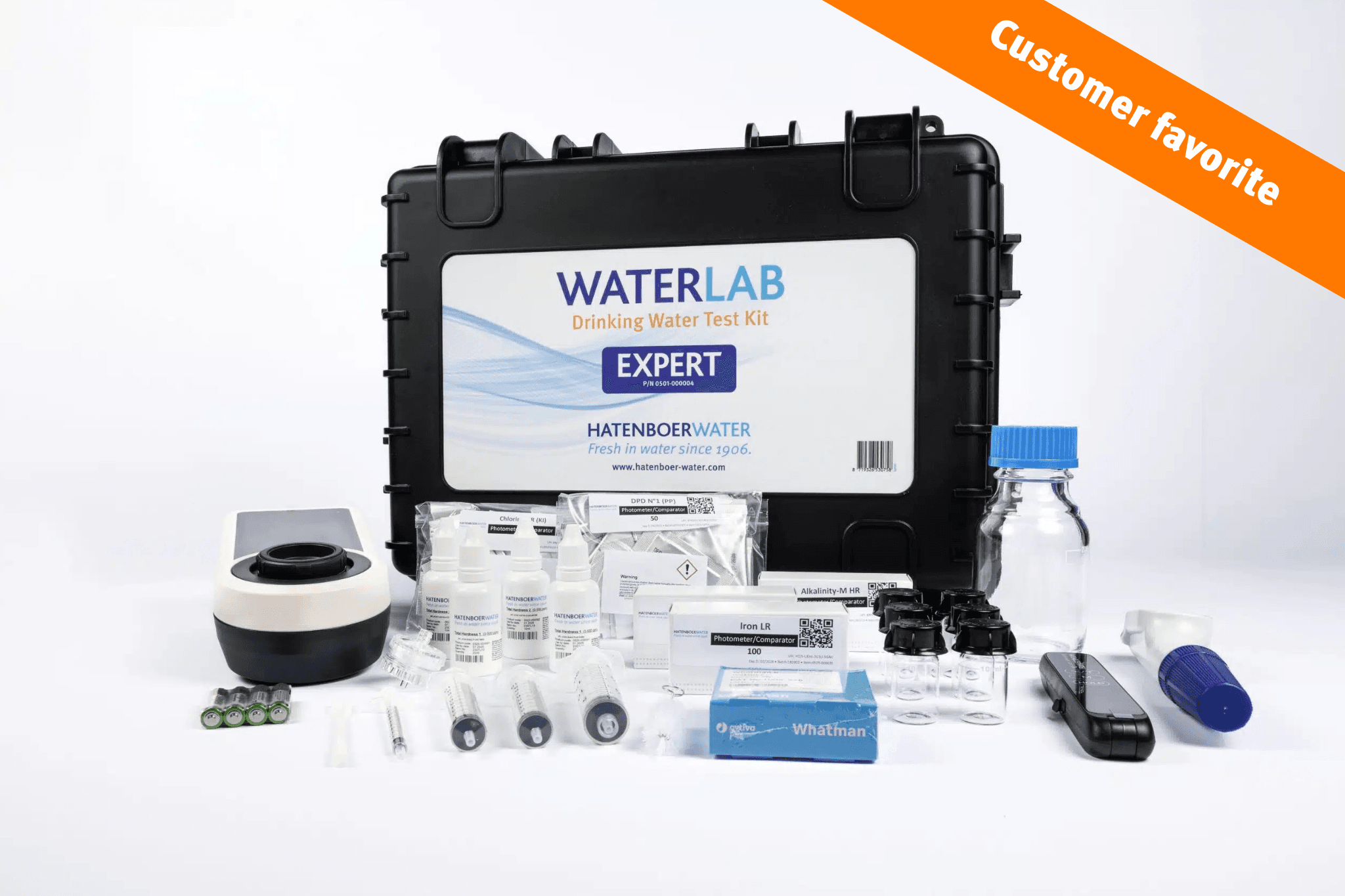
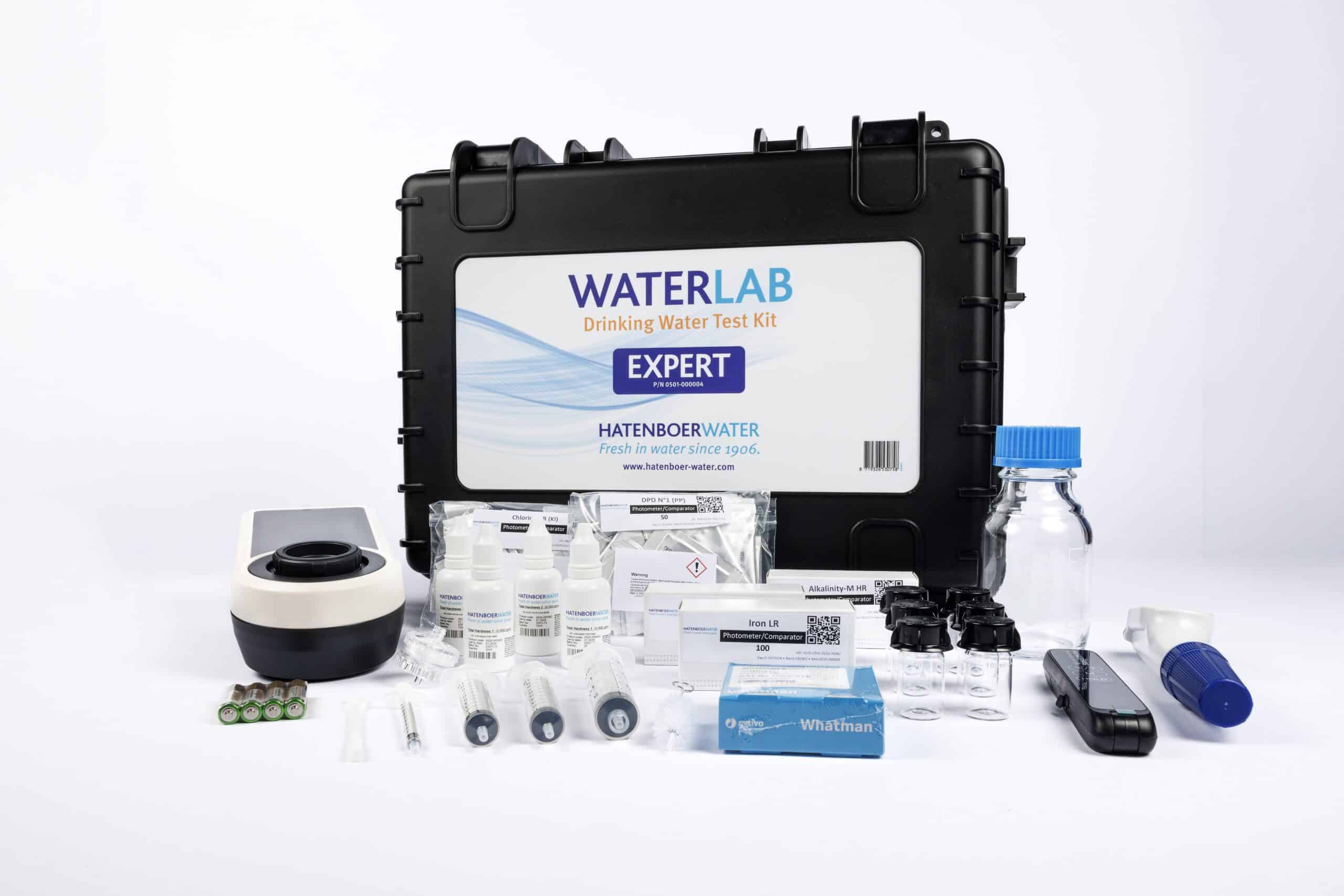
WATERLAB Expert Test Kit
De keuze voor volledige controle
- Professionele drinkwater testkit voor maritiem gebruik
- Ontworpen voor monitoring op schepen en offshore installaties
- Meet 18 belangrijke parameters, waaronder chloor, pH, hardheid, troebelheid, ijzer en koper
- Levert laboratoriumkwaliteit metingen op zee
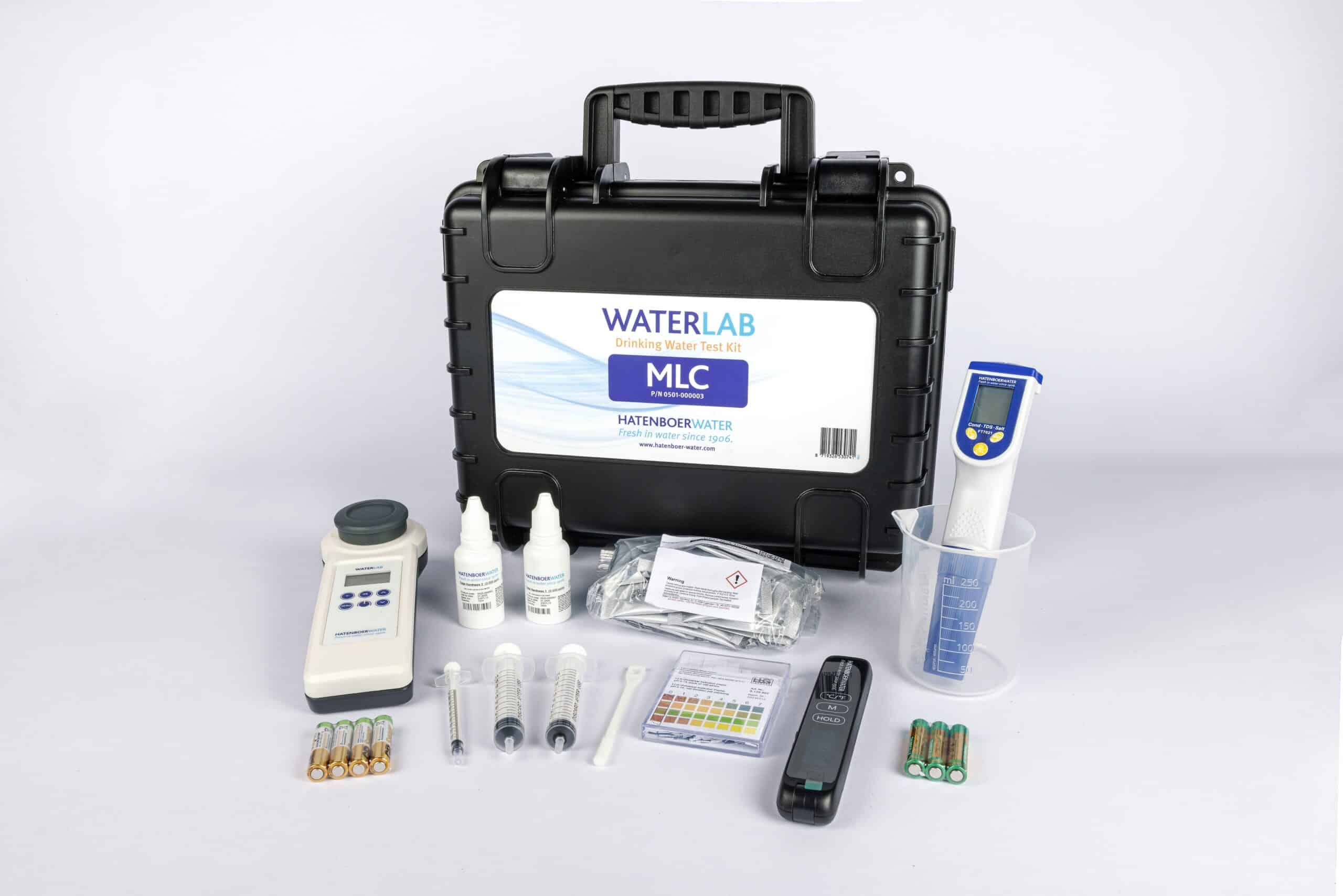
WATERLAB MLC Test Kit
Voor eenvoudige MLC‑naleving
- Speciale maritieme water testkit voor MLC‑compliance
- Voor monitoring van drinkwaterparameters zoals chloor, pH en troebelheid
- Helpt exploitanten te voldoen aan regelgeving
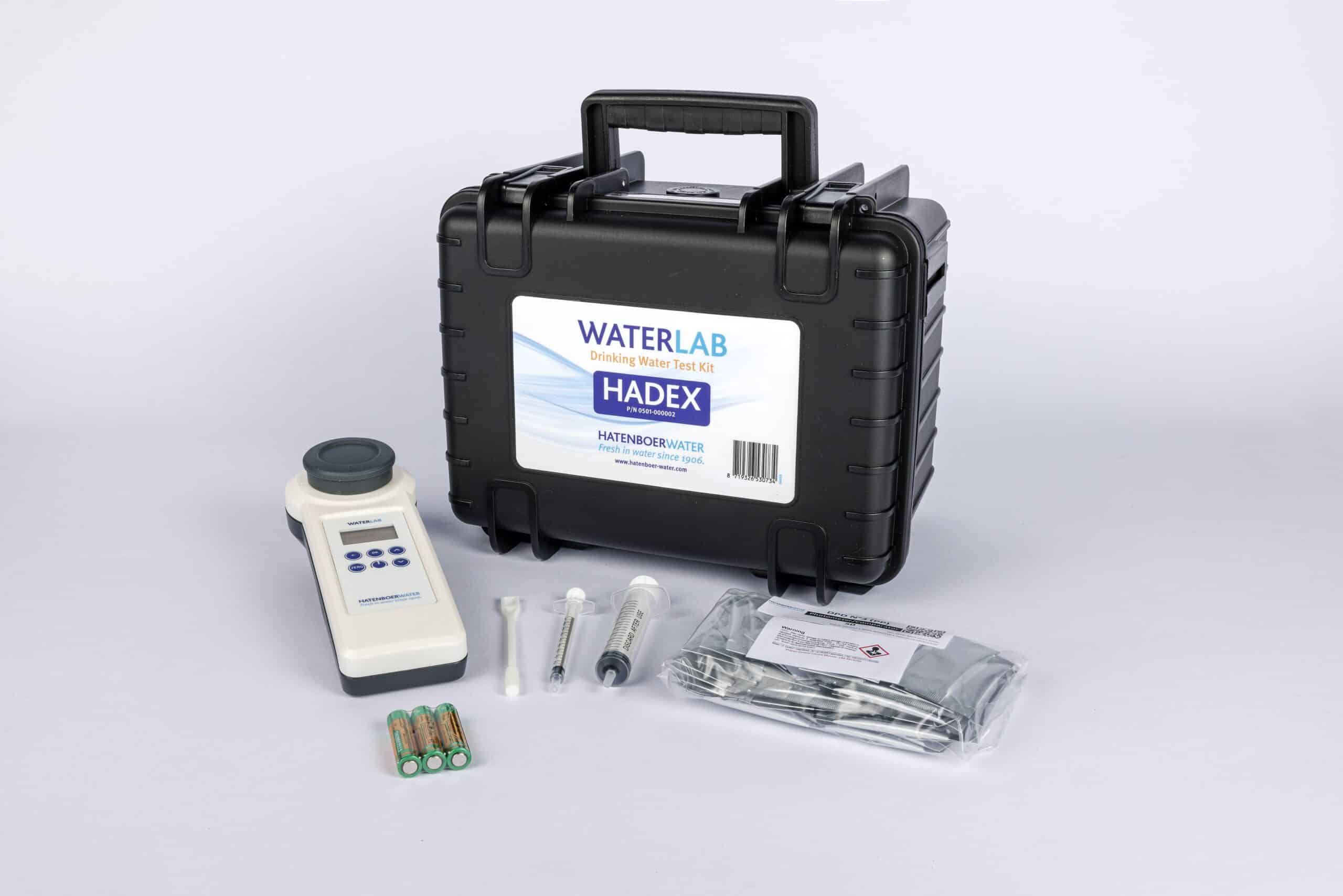
WATERLAB Hadex Test Kit
Voor volledige controle over jouw HADEX®‑niveau
- Professionele testkit voor HADEX® en chloor
- Digitale meting van desinfectantniveau
- Compact handheld apparaat met Bluetooth‑datatransfer
- IP68‑waterdicht ontwerp voor dagelijks gebruik aan boord
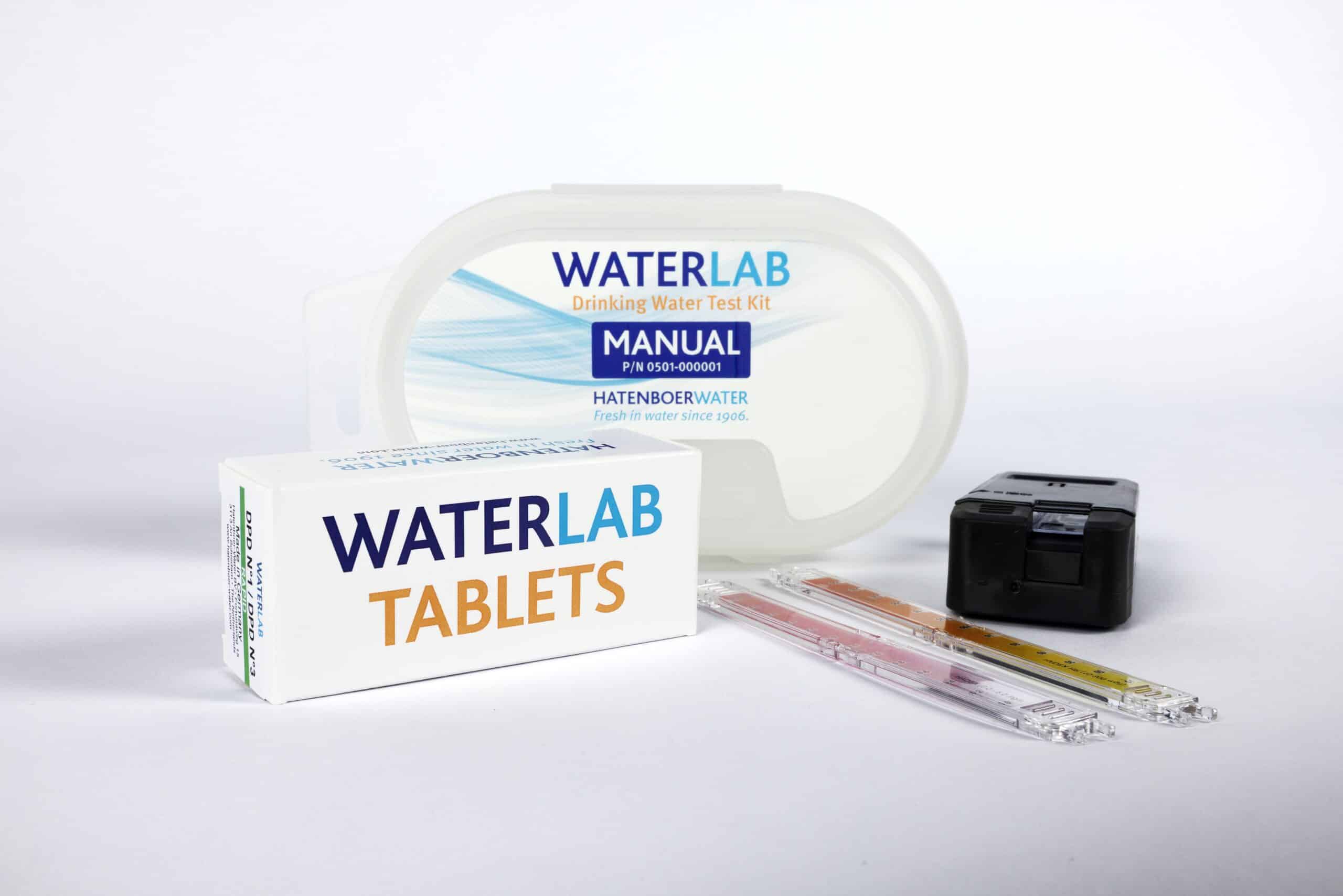
WATERLAB Manual Test Kit
Voor snelle, eenvoudige watercontroles
- Compacte colorimetrische testunit voor maritieme wateranalyses
- Meet HADEX®‑ of chloorconcentraties van 0–5 mg/L
- Draagbaar ontwerp voor eenvoudig gebruik aan boord
- Ondersteunt veilige monitoring van drinkwater
Veel Gestelde Vragen
Waarom is het noodzakelijk om de drinkwaterkwaliteit aan boord van een schip te testen?
Regelmatige drinkwatertesten zijn essentieel om de veiligheid en naleving van uw watervoorziening aan boord te waarborgen. Elke afwijking van de verwachte waarden kan wijzen op risico’s op besmetting of een storing in het systeem, waarna corrigerende maatregelen nodig kunnen zijn.
Routinematige testen helpen om te voldoen aan de eisen van vlaglanden, maritieme hygiënevoorschriften en het Water Safety Plan (WSP) van uw schip—cruciaal, ongeacht of u regionaal of wereldwijd opereert.
Welke parameters moeten ter plaatse worden gemeten?
Onze testkits zijn uitgerust met een unieke set waterparameters die zijn ontworpen om te voldoen aan de meest voorkomende maritieme gezondheidsvoorschriften en hygiënenormen.
Maar de vereisten kunnen per schip verschillen. Extra parameters kunnen nodig zijn afhankelijk van:
- Richtlijnen van het vlagland
- Routegebonden waterrisico’s
- Eisen in uw Water Safety Plan
- Recente havenoperaties of bunkeringlocaties
Voor advies op maat kan ons team helpen bepalen welke kit het beste aansluit bij uw vaargebied en compliance‑behoeften.
Hoe voer ik drinkwatermetingen aan boord uit?
Metingen aan boord worden direct bij de kraan uitgevoerd.
Daarom gebruiken onze kits handmeters die draagbaar, snel en betrouwbaar zijn—zodat de bemanning overal aan boord de waterconditie kan meten waar dat nodig is.
Als u niet zeker weet welke methode of kit bij uw scheepstype of vaargebied past, helpen we u graag met de juiste setup.
Wat moet ik doen als de resultaten boven de wettelijke limieten uitkomen?
Als een meting buiten de vastgestelde grenzen valt:
- Raadpleeg direct uw Water Safety Plan (WSP)
- Volg de procedures die door uw vlagland zijn vastgesteld
- Neem contact met ons op voor aanbevolen corrigerende stappen
De parameters aan boord functioneren als indicatoren. Zo kan een laag chloorgehalte wijzen op een mogelijk biologisch risico, waarvoor een bevestigende laboratoriumtest sterk wordt aanbevolen.
Als u hulp nodig heeft bij het interpreteren van resultaten of het bepalen van vervolgstappen, kunnen onze specialisten praktische ondersteuning bieden.
Zijn biologische tests noodzakelijk tijdens testen aan boord?
Wij raden biologische testen aan boord niet aan vanwege de complexiteit van incubatie, handling en interpretatie van resultaten.
Een gecertificeerd en geaccrediteerd laboratorium is vereist voor betrouwbare microbiologische analyse.
Voor de meeste schepen geldt dat routinematige indicatortests aan boord, gecombineerd met geplande laboratoriummonsters, zorgen voor volledige naleving en veilige drinkwaterkwaliteit.
Lees hier meer over professionele microbiologische bemonstering!
Kan testen aan boord geaccrediteerde laboratoriumanalyses vervangen?
Nee. Geaccrediteerde laboratoriumrapporten blijven verplicht om te voldoen aan maritieme drinkwatervoorschriften.
Testkits aan boord hebben een aanvullende functie:
- Ze geven continu inzicht
- Ze helpen vroege afwijkingen opsporen
- Ze ondersteunen veilig operationeel beheer tussen laboratoriumintervallen
Zo bent u altijd audit‑klaar en komt u nooit voor verrassingen te staan.
Welke testkit is het meest geschikt voor mijn schip?
De juiste kit hangt af van:
- Uw vlagland en routes
- Vereiste parameters
- Ervaring van de bemanning
- Gewenste nauwkeurigheid en automatiseringsniveau
Geavanceerdere kits, zoals onze Expert Kits, bieden hogere precisie, vereisen minder handmatig werk en fungeren als effectieve waterbeheertools voor drukke bemanningen of schepen die in meerdere regio’s opereren.
Overzicht van beschikbare kits:
- WATERLAB Manual: Handmatig, visueel, geen digitale interface — ideaal voor eenvoudige controles.
- WATERLAB HADEX: Digitaal, ontworpen voor volledige controle van uw HADEX‑waarden.
- WATERLAB MLC: Ontworpen voor MLC en afgestemde regelgeving met digitale rapportage.
- WATERLAB Expert: Uitgebreide, geavanceerde monitoring met meer parameters, connectiviteit en databeheer.
Als u niet zeker weet welk niveau van testen past bij uw schip, kunnen we uw operationele behoeften en regelgevingseisen beoordelen.
Andere Testkits
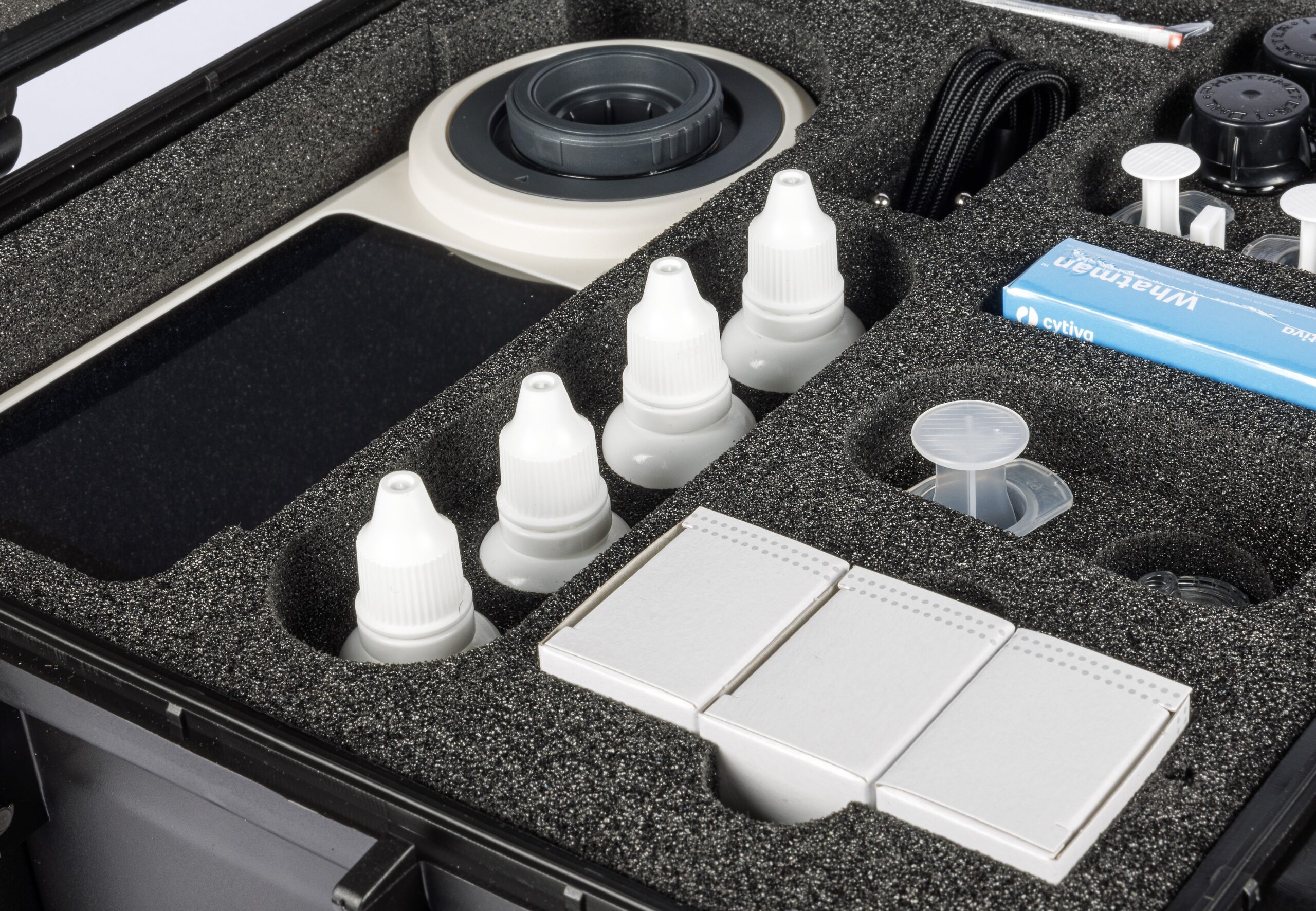
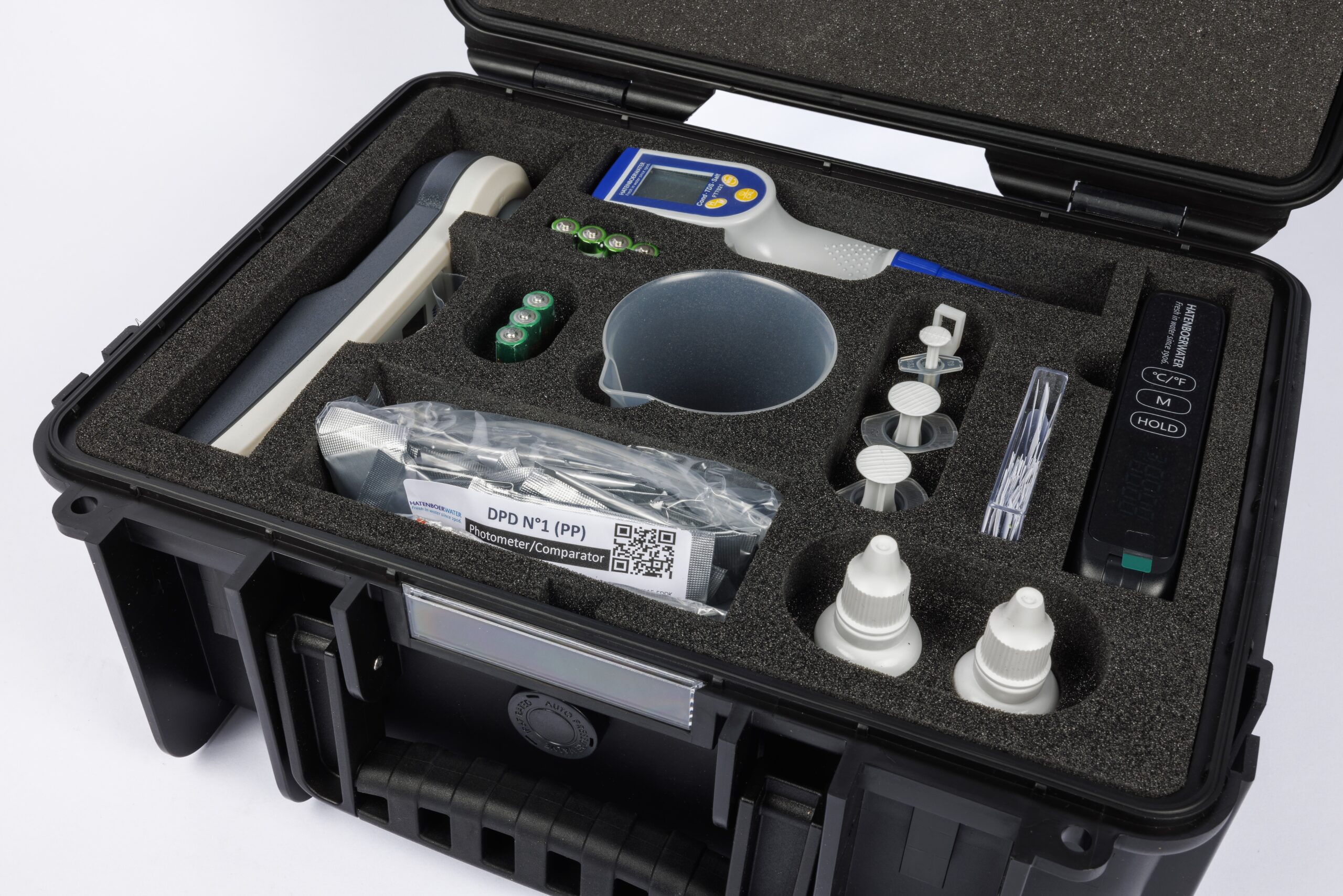
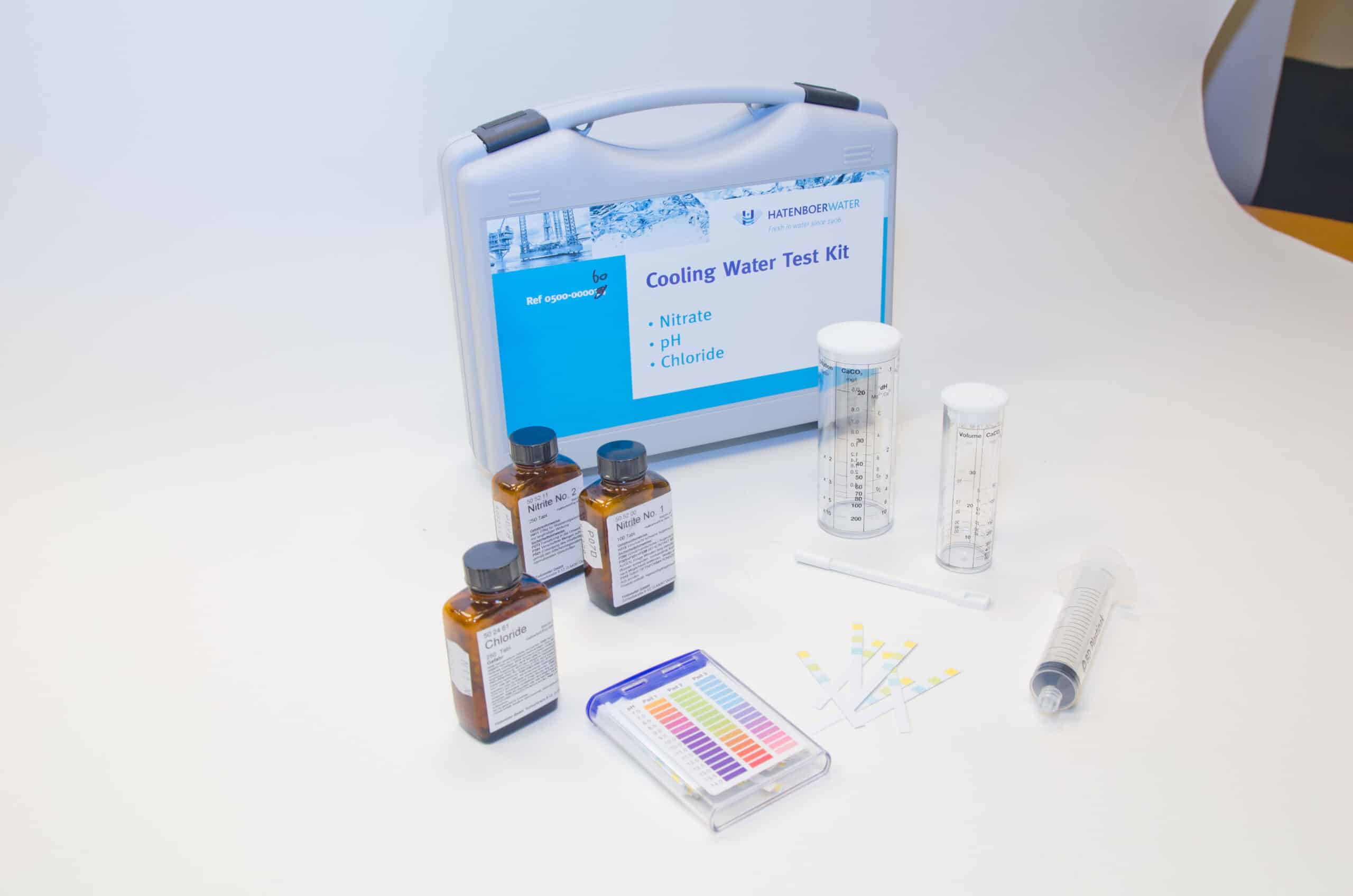
Onze overige testkits zijn ontworpen om de constante kwaliteit van jouw drinkwater, proceswater of productwater te waarborgen. Hatenboer-Water biedt een breed scala aan testkits en meetapparatuur, zorgvuldig samengesteld om te voldoen aan de regelgeving.
Onze producten, Testkits



Onze kantoren, distributeurs en agenten
Waarmee kunnen we helpen?
Of je nu informatie zoekt, advies wilt, een offerte aanvraagt of een andere vraag hebt: we helpen je graag verder.
Kies jouw regio
Neem contact op

We nemen graag contact met je op
Why is it necessary to test drinking water quality on board a vessel?
Regular drinking water testing is essential to ensure the safety and compliance of your onboard water supply. Any deviation from expected values may indicate contamination risks or system malfunction, requiring further corrective actions.
Routine testing helps maintain compliance with flag state requirements, maritime sanitation regulations, and your vessel’s Water Safety Plan (WSP)—critical whether you operate regionally or worldwide.
What parameters should be measured on-site?
Our test kits are equipped with a unique water testing parameter set that is designed to meet the most common maritime health regulations and sanitation standards.
However, every vessel’s requirements differ. Additional parameters may be necessary depending on:
- Flag state instructions
- Route-specific water risks
- Requirements listed in your Water Safety Plan
- Recent port operations or bunkering locations
For tailored guidance, our team can help identify which kit best suits your operational area and compliance needs.
How do I perform on-site drinking water measurements?
Onboard testing measurements are taken directly at the tap.
This is why our kits use handheld meters that are portable, fast, and reliable – allowing crew to assess water conditions wherever needed on board.
If you’re unsure which method or kit fits your vessel type or region, we’re happy to walk you through the setup.
What should I do if results exceed regulatory limits?
If any reading is outside compliance limits:
- Refer immediately to your Water Safety Plan (WSP)
- Follow procedures defined by your flag state
- Consult us for recommended corrective steps
Onboard parameters act as indicators. For example, low chlorine levels may signal a potential biological risk, in which case a confirmatory laboratory test is highly recommended.
If you need help interpreting results or deciding on next steps, our specialists can offer practical guidance.
Are biological tests necessary during onboard testing?
We do not recommend biological testing on board due to the complexity of incubation, handling, and result interpretation.
A certified and accredited laboratory is required for reliable microbiological analysis.
For most vessels, routine onboard indicator testing combined with scheduled laboratory sampling ensures full compliance and safe drinking water quality.
Read more about professional microbiological sampling here!
Can onboard testing replace accredited laboratory sampling?
No. Accredited laboratory reports remain mandatory to stay in compliance with maritime drinking water regulations.
Onboard test kits play a complementary role:
They provide continuous insights, help detect early deviations, and support safe operational practices between laboratory sampling intervals. This means you’re audit-ready and will never be caught out in a surprise.
Which test kit is best for my vessel?
The right kit depends on:
- Your flag state and route
- Required parameters
- Crew experience
- Desired level of accuracy and automation
More advanced kits, such as our Expert Kits, offer higher precision, require less manual work, and function as effective water management tools for busy crews or vessels operating across multiple regions.
- WATERLAB Manual: Manual, visual, no digital interface — ideal for simple checks.
- WATERLAB HADEX: Digital, designed for total control of your HADEX levels.
- WATERLAB MLC: Designed for MLC and aligned regulatory compliance with digital reporting.
- WATERLAB Expert: Comprehensive, advanced monitoring with broader parameters, connectivity, and data management.
If you’re not sure which level of testing suits your vessel, we can help assess your operational needs and regulatory requirements.
Why is it necessary to test drinking water quality on board a vessel?
Regular drinking water testing is essential to ensure the safety and compliance of your onboard water supply. Any deviation from expected values may indicate contamination risks or system malfunction, requiring further corrective actions.
Routine testing helps maintain compliance with flag state requirements, maritime sanitation regulations, and your vessel’s Water Safety Plan (WSP)—critical whether you operate regionally or worldwide.
What parameters should be measured on-site?
Our test kits are equipped with a unique water testing parameter set that is designed to meet the most common maritime health regulations and sanitation standards.
However, every vessel’s requirements differ. Additional parameters may be necessary depending on:
- Flag state instructions
- Route-specific water risks
- Requirements listed in your Water Safety Plan
- Recent port operations or bunkering locations
For tailored guidance, our team can help identify which kit best suits your operational area and compliance needs.
How do I perform on-site drinking water measurements?
Onboard testing measurements are taken directly at the tap.
This is why our kits use handheld meters that are portable, fast, and reliable – allowing crew to assess water conditions wherever needed on board.
If you’re unsure which method or kit fits your vessel type or region, we’re happy to walk you through the setup.
What should I do if results exceed regulatory limits?
If any reading is outside compliance limits:
- Refer immediately to your Water Safety Plan (WSP)
- Follow procedures defined by your flag state
- Consult us for recommended corrective steps
Onboard parameters act as indicators. For example, low chlorine levels may signal a potential biological risk, in which case a confirmatory laboratory test is highly recommended.
If you need help interpreting results or deciding on next steps, our specialists can offer practical guidance.
Are biological tests necessary during onboard testing?
We do not recommend biological testing on board due to the complexity of incubation, handling, and result interpretation.
A certified and accredited laboratory is required for reliable microbiological analysis.
For most vessels, routine onboard indicator testing combined with scheduled laboratory sampling ensures full compliance and safe drinking water quality.
Read more about professional microbiological sampling here!
Can onboard testing replace accredited laboratory sampling?
No. Accredited laboratory reports remain mandatory to stay in compliance with maritime drinking water regulations.
Onboard test kits play a complementary role:
They provide continuous insights, help detect early deviations, and support safe operational practices between laboratory sampling intervals. This means you’re audit-ready and will never be caught out in a surprise.
Which test kit is best for my vessel?
The right kit depends on:
- Your flag state and route
- Required parameters
- Crew experience
- Desired level of accuracy and automation
More advanced kits, such as our Expert Kits, offer higher precision, require less manual work, and function as effective water management tools for busy crews or vessels operating across multiple regions.
- WATERLAB Manual: Manual, visual, no digital interface — ideal for simple checks.
- WATERLAB HADEX: Digital, designed for total control of your HADEX levels.
- WATERLAB MLC: Designed for MLC and aligned regulatory compliance with digital reporting.
- WATERLAB Expert: Comprehensive, advanced monitoring with broader parameters, connectivity, and data management.
If you’re not sure which level of testing suits your vessel, we can help assess your operational needs and regulatory requirements.