
120 Years of Responsibility: Why Experience Still Matters in Maritime Water
- Insights, Maritime
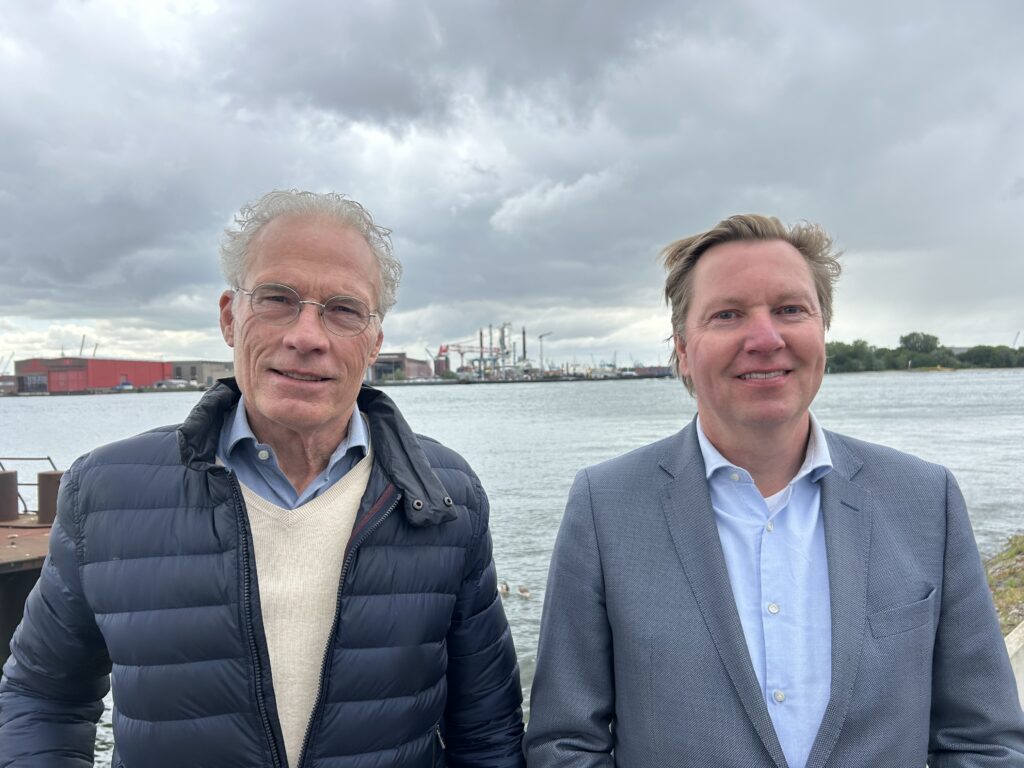
An open conversation with Peter Willem Hatenboer and Willem Buijs
On May 17th Hatenboer-Water celebrated its 120th birthday. At first glance, 120 years may sound like history. But in maritime operations, longevity only matters if it still translates into reliability today. Ships have changed. Regulations have tightened. Vessels operate faster, farther, and under greater scrutiny than ever before. Yet one thing has remained constant: crews need safe, reliable drinking water.
For Hatenboer-Water, reaching 120 years is proof of continuous relevance. Proof that long-term responsibility, adaptability, and a client-first mindset still matter in an industry that never stands still. As Peter Willem Hatenboer (board member and part of the Hatenboer family) and Willem Buijs (CEO) reflect, the company’s history is best understood as a sequence of choices, often difficult ones, made with the long term in mind.
From a Water Boat to a Responsibility
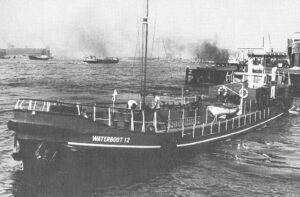
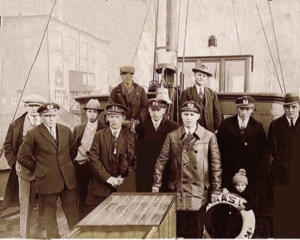
The story begins in Rotterdam’s harbor in the early 20th century. Fresh water was scarce, harbor water was polluted, and vessels relied on whatever could be sourced locally. Seeing this gap, Peter Willem’s great grandfather started supplying drinking water by boat. What began with a single vessel and hands-on work by the family quickly grew alongside the port itself.
“In essence, we started with a very practical problem,” Peter Willem explains. “Ships needed good water to operate. That hasn’t changed.”
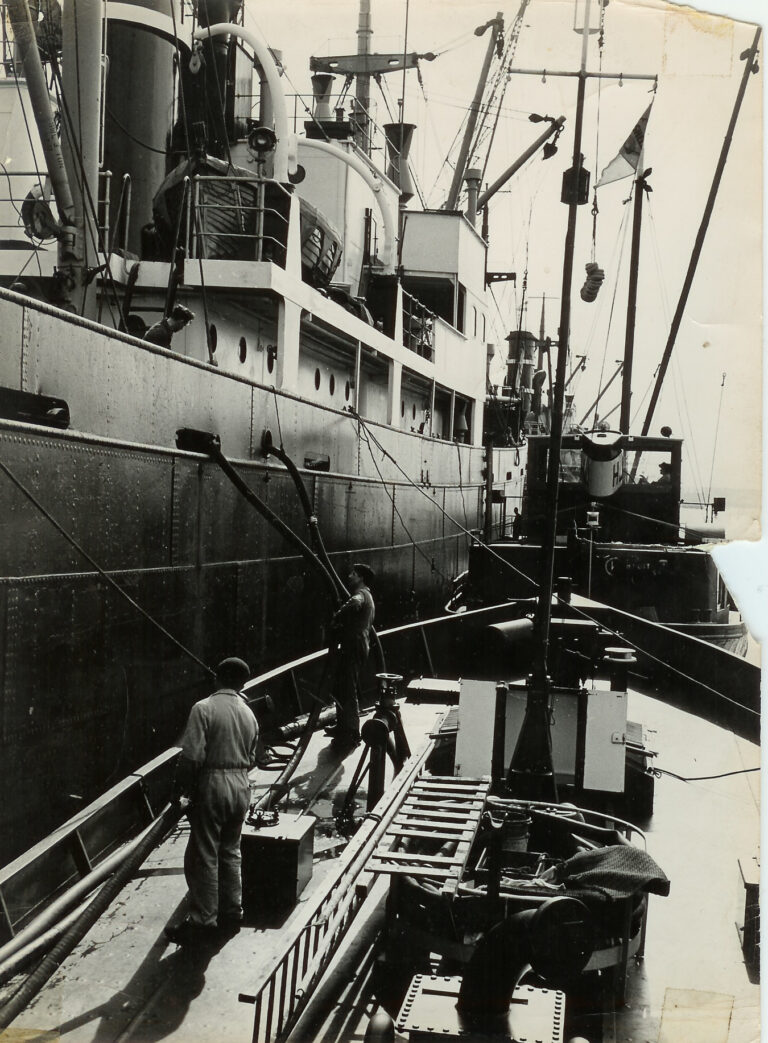
What has changed is the context. Where ships once stayed in port for weeks, today turnaround times are measured in hours. Ships became larger, crews smaller, and expectations higher. Yet Hatenboer-Water still operates water boats in Rotterdam and Hamburg today.
Embracing Technology Before It Was Obvious
One of the most defining moments came with the rise of reverse osmosis in the 1980s. At the time, desalination was met with skepticism in shipping. Established players trusted traditional evaporators. Many dismissed membrane technology as unreliable or unproven.
“I actually found the existing activities a bit boring,” Peter Willem admits. “So I started exploring what else water could be.”
While others hesitated, Hatenboer-Water experimented, initially outside the maritime sector. Hotels, zoos, food processing plants, and industrial clients became testing grounds for membrane expertise. Failures happened. Lessons were learned. By the time reverse osmosis became accepted on board ships, Hatenboer-Water had already built decades of knowledge.
“That experience is what customers ultimately look for,” Willem explains. “Not just a product, but someone who understands the full lifecycle.”
From Supplier to Partner
Today, ships sail for 30 to 50 years. Their water systems must last just as long or be serviceable long into the future. That reality fundamentally changes what customers need.
A shipyard may want fast integration. An owner wants long-term reliability. Crews need water they can trust without having to become microbiologists or water chemists themselves.
“Our customers operate far from land,” Willem says. “You can’t just send a service van.”
That is where responsibility comes in. Hatenboer-Water trains crews, supports water quality management, and designs systems with long-term compliance in mind. The company’s role expanded into consultancy, testing, digital monitoring, and lifecycle support.
It also reshaped how customers view drinking water on board. Not as something that would be taken for granted, but as a managed safety-critical system.
Sustainability Without the Buzzwords
Plastic-free drinking water is one of the clearest examples. In many parts of the world, bottled water is still considered the safest option. Changing that perception requires patience and trust.
“If people don’t believe the water is safe, they won’t drink it,” Peter Willem notes. “Even if it is safe.”
Modern desalination and water treatment systems are no longer energy-intensive exceptions. Designed correctly, they are efficient, reliable, and reduce environmental impact significantly. Eliminating millions of plastic bottles per vessel is an operational improvement rather than a marketing claim.
Sustainability, in this sense, is deeply practical as it requires less logistics, fewer truck movements, less waste and better living conditions on board.
Learning to Keep Moving
Looking back, one pattern stands out: Hatenboer-Water never stopped adapting. From early computerization in the 1970s to current digital security standards and modern manufacturing methods, change is treated as a constant, not a disruption.
“You don’t change for the sake of change,” Peter Willem reflects. “You change to stay relevant.”
That mindset proved essential during crises. From economic downturns to COVID-19. Instead of shrinking, the company chose continuity: retaining people, preserving knowledge, and preparing for recovery.
“Human capital is everything,” both agree. Without it, systems, buildings, and strategies are meaningless.
Maintenance and Operational Impact
Maintenance is another area where practical differences become apparent.
Evaporator maintenance often involves manual cleaning of heat exchanger plates, resulting in longer downtime and higher crew involvement. These procedures are labor-intensive and sensitive to fouling and scaling, particularly under varying operating conditions.
RO systems rely primarily on automated Clean‑In‑Place (CIP) procedures. Cleaning cycles are predictable, controlled, and require limited manual intervention. While RO systems use consumables such as membranes, filters, and chemicals, routine maintenance generally demands fewer man‑hours and shorter downtime periods.
From an operational standpoint, this translates into more predictable maintenance planning and consistent water availability.
What 120 Years Actually Means for Customers
So what does a customer really choose when they choose Hatenboer-Water today?
Not just a supplier. Not just technology. They choose continuity. A partner that understands that water on board is not an isolated system, but part of crew health, compliance, sustainability, and operational reliability.
They choose a company that has adapted through wars, technological shifts, regulatory changes, and market upheavals and is still prepared to adapt tomorrow.
“History only matters if you use it,” Willem concludes. “For us, it’s not something to lean on. It’s something we build on.”
At 120 years old, Hatenboer-Water is still moving forward.
How can we help?
Whether you need information, advice, a quote or have any other question, we’re here to help.
Choose your region
Contact us

Request a quote